
JSS1 Home Economics Lesson Note & Scheme of Work for 2025/2026
JSS1 Home Economics lesson note and scheme of work for 2025/2026. Covers fatigue, rest, clothing care, family life, and home management skills.
JSS1 Home Economics Lesson Note & Scheme of Work for 2025/2026 Academic Session
Introduction to JSS1 Home Economics Curriculum
This comprehensive lesson note and scheme of work covers the complete second term curriculum for Junior Secondary School 1 (JSS1) Home Economics.
The structured approach ensures students develop essential life skills in personal care, family life, and home management
Read Also: JSS1 English Language Past Questions and Answers for Exam Prep
SCHEME OF WORK – SECOND TERM
Weekly Breakdown of Topics
| Week | Topic |
|---|---|
| 1 | Revision of first term year work |
| 2 | Fatigue, Rest and Sleep – (a) Meaning, Causes and effects of fatigue, (b) prevention of Fatigue, (c) meaning and importance of rest and sleep, (d) guidelines for rest and sleep |
| 3 | Personal clothing – (a) meaning of clothing and reasons for wearing clothes, (b) guidelines for choosing and wearing decent clothes (c) care of clothes. E.g. airing, proper storage, cleansing of shoes. (d) Washing of under-wears |
| 4 | Use of cosmetics and deodorants – (a) importance of cosmetics, (b) points to consider in choice and use of cosmetics and deodorants, (c) procedures for applying cosmetics and deodorants, (d) indigenous cosmetics |
| 5 | Healthy feeding habits – (a) meaning and functions of food, (b) good feeding habits and table manners |
| 6 | The family – (a) meaning, types and functions of the family, (b) roles of each family member and the family as a whole. (c) relationships – the family tree. (d) Family values |
| 7 | The home – (a) meaning and characteristics of a home. (b) Differences between a home and a house. (c) Domestic violence and the consequences and solutions to domestic violence |
| 8 | Housing the family – (a) Types of houses. (b) Location and choice of a family house (factors that influence the choices) |
| 9 | Family needs and resources – (a) meaning and types of family needs. (b) Meaning, types and characteristics of family resources |
| 10 | Decision making – (a) meaning and steps in decision making. (b) Simple personal decisions |
| 11 | Revision |
| 12 | Examination |
WEEK 1: REVISION OF FIRST TERM WORK
DATE: ………………………
TOPIC: Revision of first term work
This week focuses on reviewing all topics covered in the first term to reinforce understanding and prepare students for new concepts in the second term.
WEEK 2: FATIGUE, REST AND SLEEP
DATE: ………………………
TOPIC: Fatigue, Rest and Sleep – (a) Meaning, Causes and effects of fatigue, (b) prevention of Fatigue, (c) meaning and importance of rest and sleep, (d) guidelines for rest and sleep
Sub-Topic 1: Understanding Fatigue – Meaning, Causes, Effects and Prevention
What is Fatigue?
Fatigue is a feeling of extreme tiredness that affects both physical and mental performance.
Causes of Fatigue
Tiredness or fatigue can be caused by:
- Over working or too much exercise
- Illness
- Hunger or lack of food
- Too much exercise
- Performing a boring or tiring task
- Sadness
Effects of Fatigue
- It slows down the rate at which work is done
- It makes one unfriendly or irritated
- Results into sluggishness or dullness
Prevention of Fatigue
To prevent fatigue, students should:
- Avoid doing too many things at the same time
- Have enough rest
- Eat adequate and regular meals
- Alternate tasks that require much energy with those that require less
- Break big tasks into smaller ones and do them in bits
- Use the best method for every task
- Take the best posture for each task when doing it
- Do not overwork yourself
- Plan your work properly
Evaluation Questions
- What is fatigue?
- Mention three effects of fatigue
- What should you do to prevent being fatigued?
Sub-Topic 2: Rest and Sleep – Meaning, Importance and Guidelines
Rest
Rest is the act of relaxing either by sitting or lying down after a period of activity in order to refresh the body and mind. During rest, the individual is conscious of all that is happening around him/her.
Sleep
Sleep is a complete or deeper form of rest in which the eyes are closed and the mind and body are not active or conscious. In sleep, one is unconscious of what is going on around him/her.
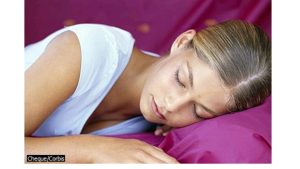
Sleep Requirements by Age:
- New born babies: 17-18 hours a day
- Ages 1-4: 12 hours
- Ages 4-12: 10 hours
- Ages 12-16: 8-10 hours a day
Importance of Rest and Sleep
- The body relaxes
- Energy is built up for future use
- Broken body tissues can be repaired and made ready for further activities
- Muscles relax, the heart beats more slowly and breathing becomes shallow
- Rest is the cure for fatigue
- They aid quick recovery from illness
Guidelines for Rest and Sleep
- Loosen all tight clothing when you are resting or sleeping
- Rest after meals
- Rest after strenuous activities or exercise
- Rest after school before playing or doing household work
- When lying down, do not curl up into a ball to sleep. Try to lie long or straight
- Go to bed early so as to wake up fresh and ready for the next day’s work
- Ensure that your bedroom is well-ventilated
Evaluation Questions
- Define: rest, sleep
- State two differences between rest and sleep
- Enumerate five importance of rest and sleep
- State two guidelines each for rest and sleep
Assignment
Workbook on Home Economics New Concept for Nigeria Jnr. Sec. Schools Bk.1 (ps.21-22)
Activity
Identify your most hectic or busy day in the week. List all the activities you carried out that day. Write out the type of feelings you experience at the end of the day.
WEEK 3: PERSONAL CLOTHING
DATE: ………………………
TOPIC: Personal clothing – (a) meaning of clothing and reasons for wearing clothes, (b) guidelines for choosing and wearing decent clothes (c) care of clothes. E.g. airing, proper storage, cleansing of shoes. (d) Washing of under-wears
Sub-Topic 1: Understanding Clothing – Meaning, Reasons for Wearing Clothes and Guidelines for Choosing Decent Clothes
What is Clothing?
Clothing is the articles that are worn on the body to protect and beautify the body. It could be dresses, shirts, blouse, trousers, wrappers etc. Others are shoes, hand bags, jewellery, make-up, and accessories.
Reasons for Wearing Clothes
Clothing is worn for the following reasons:
- To protect our body: We wear clothes in order to protect the body from harmful things such as insects, plants, worms, and different weather condition such as harmattan, cold, heat, etc.
- For modesty: We wear clothes in order to cover our nakedness and appear decent.
- Appearance: We wear clothes to improve our appearance and to beautify ourselves.
- For role identification: Clothes help to reveal our role in the society. E.g. policeman, soldier, Nurse, student. This type of clothes is called uniform.
- To show our status or position: Clothes are worn to show the status or positions which people occupy in the society, e.g. special clothes are worn by traditional rulers like ‘Emirs, Obas’ etc.
- To show our mood: Showing how we are feeling is another reason for putting on certain kinds of clothes. When we are in the mood of celebration we tend to dress gorgeously putting on brightly coloured clothes and when the mood is sad, like the case of mourning black clothes are worn.
- For cultural reasons: Clothes help to show the culture of people, i.e where they come from. E.g., iro and buba is commonly worn by Yoruba women.
Guidelines for Choosing and Wearing Decent Clothes
As a guide, the following tips are considered important before we choose clothes to wear:
- Available money: Clothes should be chosen based on what your purse can afford.
- Occasion: You need to choose the right clothes for the right occasion/function e.g. Church services, party type, picnic, school, sleep or work etc.
- Quality of fabric: You must choose clothes that will be durable.
- Activity or work: Different clothes suits different jobs, kitchen wear like Chef’s cap & apron are not meant for farm work and vice versa.
- Choose clothes that fit well: Clothes worn should not be tightly fitted because this can disturb proper circulation of blood in the body and thereby make you ill. Make sure you choose clothes that will project your appearance in a beautiful & modest way.
- Personal complexion: You should choose clothes that suits your skin complexion.
- Weather condition: In cold weather, warm clothes like cardigan are advisable to wear and when the weather is hot, it is advisable to choose cotton fabrics in hot weather.
- Washability of fabric: Choose clothes that are easily washable.
- Peer pressure: Do not choose indecent clothes in order to conform or please your peers.
Evaluation Questions
- What are clothes?
- List and explain six reasons for wearing clothes
- Identify five guidelines for choosing and wearing decent clothes
Sub-Topic 2: Care of Clothes – Airing, Storage, Shoe Care and Washing Underwear
Why Care for Our Clothes?
We need to care for our clothes because of these reasons:
- Dirty clothes are easily infested with disease germs or bacteria
- These germs and bacteria can be transferred on the skin causing skin infections like rashes, ring worm scabies etc.
- Dirty clothes produce offensive smell
- When clothes are properly cared for, you look beautiful and confident
How to Care for Your Clothes
You can care for your clothes in the following ways:
- Mend your clothes as soon as they are torn
- Air your clothes before storing them to remove dampness on clothes
- Do not store dirty or damp clothes
- Wash your clothes as soon as they are dirty and make sure you follow the instructions on the care labels
- Do not repeat underwear especially pants. Always wash the used one every day
Proper Storage of Clothes
- Store only clean clothes
- Proper storage space or container should be used for personal clothes e.g. box, drawer, wardrobe/closet, wall hanger etc.
- Iron and air clothes before storage
- Do not overcrowd your clothes closet or wardrobe
- Keep your storage place clean
Care of Shoes
- Remove shoe lace if available
- Remove dust, dirt, mud from shoes using damp clean cloth
- Before wearing them again, clean with a dry clean cloth
- If your shoes are wet, allow them to dry slowly away from heat, in a warm, airy place
- Shoes that require polishing should be polished with good and correct colour of polish
- Avoid storing dirty and smelling shoes without treatment
- To keep shoes in good shape when not in use, stuff it with clean old newspaper or shoe trees
Washing of Underwear
Laundry work is the process of washing clothes and finishing e.g. starching and ironing. Proper underwear care is essential for maintaining personal hygiene and health.
WEEK 4: USE OF COSMETICS AND DEODORANTS
DATE: ………………………
TOPIC: Use of cosmetics and deodorants – (a) importance of cosmetics, (b) points to consider in choice and use of cosmetics and deodorants, (c) procedures for applying cosmetics and deodorants, (d) indigenous cosmetics
This topic will cover the proper understanding and application of cosmetics and deodorants for personal care and hygiene.
WEEK 5: HEALTHY FEEDING HABITS
DATE: ………………………
TOPIC: Healthy feeding habits – (a) meaning and functions of food, (b) good feeding habits and table manners
This lesson explores the importance of nutrition and proper eating behaviors for maintaining good health and preventing fatigue.
WEEK 6: THE FAMILY
DATE: ………………………
TOPIC: The family – (a) meaning, types and functions of the family, (b) roles of each family member and the family as a whole. (c) relationships – the family tree. (d) Family values
Understanding family structure and dynamics is essential for building strong relationships and appreciating cultural values.
WEEK 7: THE HOME
DATE: ………………………
TOPIC: The home – (a) meaning and characteristics of a home. (b) Differences between a home and a house. (c) Domestic violence and the consequences and solutions to domestic violence
This lesson distinguishes between a house and a home, exploring what makes a living space truly comfortable and supportive for family life.
WEEK 8: HOUSING THE FAMILY
DATE: ………………………
TOPIC: Housing the family – (a) Types of houses. (b) Location and choice of a family house (factors that influence the choices)
Students will learn about different housing options and the factors that influence family housing decisions.
WEEK 9: FAMILY NEEDS AND RESOURCES
DATE: ………………………
TOPIC: Family needs and resources – (a) meaning and types of family needs. (b) Meaning, types and characteristics of family resources
This topic examines how families identify and manage their needs using available resources for effective decision making.
WEEK 10: DECISION MAKING
DATE: ………………………
TOPIC: Decision making – (a) meaning and steps in decision making. (b) Simple personal decisions
Students will develop critical thinking skills for making informed choices in personal and family matters.
WEEK 11: REVISION
DATE: ………………………
TOPIC: Revision
Comprehensive review of all topics covered from Week 2 to Week 10 in preparation for examinations.
WEEK 12: EXAMINATION
DATE: ………………………
TOPIC: Examination
Final assessment covering all topics in the second term curriculum.
Conclusion
This JSS1 Home Economics lesson note and scheme of work provides a structured approach to teaching essential life skills. The curriculum covers personal care, family life, and home management, preparing students for responsible living and healthy lifestyle choices.
Key Learning Areas Covered:
- Personal health and hygiene
- Clothing care and management
- Family dynamics and relationships
- Home management skills
- Decision making and resource management
Students are expected to actively participate in all practical activities and complete assigned tasks to maximize learning outcomes throughout the second term.
This lesson note is designed for the 2025/2026 academic session and complies with the Nigerian educational curriculum standards for Junior Secondary Schools.
If you are a teacher, kindly contact Us to get full lesson note, plan and scheme of work.
